
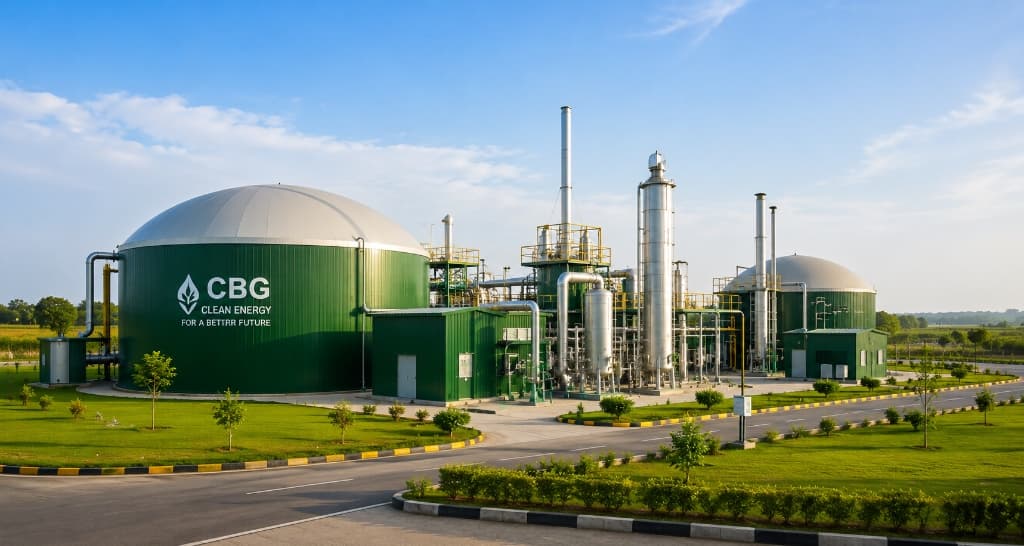
 Chemical Desulfurization Technology
Caustic NaOH H₂S Scrubber System
High-efficiency chemical desulfurization systems using sodium hydroxide (NaOH) solution for rapid hydrogen sulfide removal.
High-Efficiency Chemical desulfurization Technology
Caustic NaOH-based H₂S Scrubber Systems are widely used for the removal of hydrogen sulfide (H₂S) from biogas, Bio-CBG, landfill gas, and industrial gas streams. The system uses a sodium hydroxide (NaOH) solution to chemically absorb and neutralize H₂S gas, resulting in high purification efficiency and stable plant performance.
This technology is highly effective for applications requiring low outlet H₂S concentrations, fast reaction rates, and reliable continuous operation. The system is specially designed to allow controlled regeneration and reuse of the NaOH solution, significantly reducing chemical consumption and operating costs.
Why H₂S Removal is Important
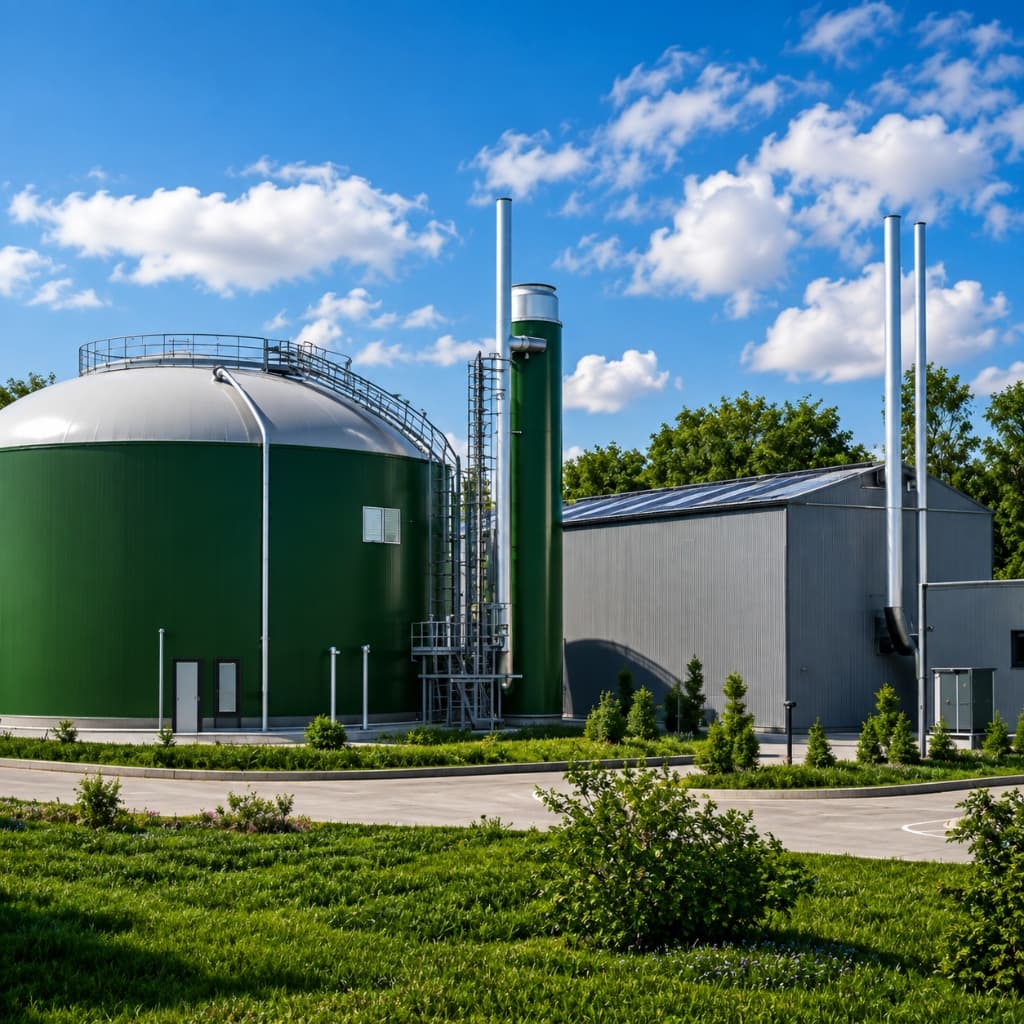
Hydrogen sulfide (H₂S) is a highly corrosive and toxic gas commonly present in raw biogas. If not removed properly, H₂S can cause severe mechanical damage:
Working Principle & Chemical Reactions
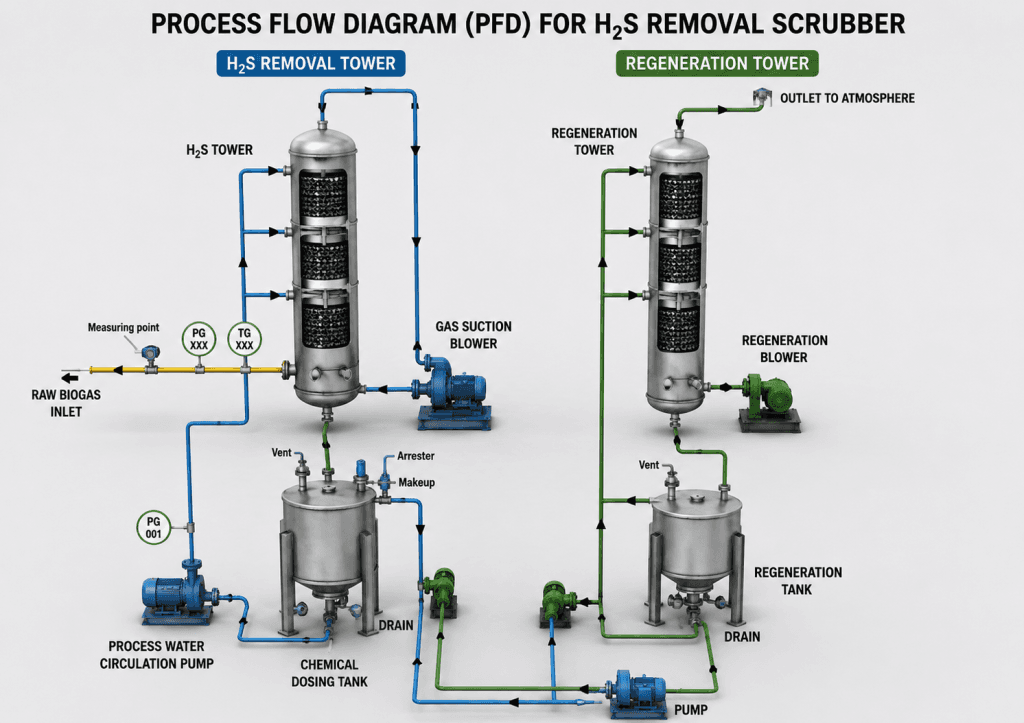
The system operates on a chemical absorption process where hydrogen sulfide gas reacts with sodium hydroxide (NaOH) solution inside a packed scrubber tower.
In controlled oxidation systems, sodium sulfide can be converted into sodium sulfate, allowing partial regeneration and reuse of the caustic solution.
Process Steps
Reuse & Regeneration of NaOH
One of the major advantages of advanced caustic scrubber systems is the ability to regenerate and reuse the NaOH solution. The sulfide-rich solution is exposed to controlled air or oxygen dosing, where sulfides are oxidized into sulfate compounds.
Main System Components
Key Features & Operating Parameters
Operational metrics and parameters for caustic NaOH desulfurization.
Very High Removal
Reduces desulfurization to low outlet concentrations.
Fast Chemical Reaction
Provides immediate H₂S absorption with stable runs.
Reusable NaOH
Oxidation systems reduce fresh chemical costs.
Compact System Design
Requires less installation footprint area.
| Parameter | Typical Range |
|---|---|
| H₂S Removal Efficiency | Up to 99%+ |
| Operating pH | 9 – 12 |
| Scrubber Type | Packed Tower |
| Operating Temperature | Ambient to 50°C |
| Construction Material | FRP / SS / HDPE |
| Liquid Recirculation | Continuous |
Advantages of Caustic NaOH Scrubber Systems
Features and operational benefits of selecting chemical desulfurization.
| Feature | Benefit |
|---|---|
| High Removal Efficiency | Superior gas purification, ideal for membrane-based upgrade units. |
| Quick Reaction Time | Immediate H₂S absorption with stable continuous runs. |
| Regenerable System | Lower chemical consumption and reduced waste handling costs. |
| Low Maintenance | Simple desulfurization operation with no biological culture crashes. |
| Compact Footprint | Space-saving installation with highly reduced civil footings. |
| Industrial Reliability | Stable performance during variable gas desulfurization runs. |
Where Caustic NaOH Scrubbers are Used
Standard chemical desulfurization setups across industrial, B2B, and agricultural projects.