
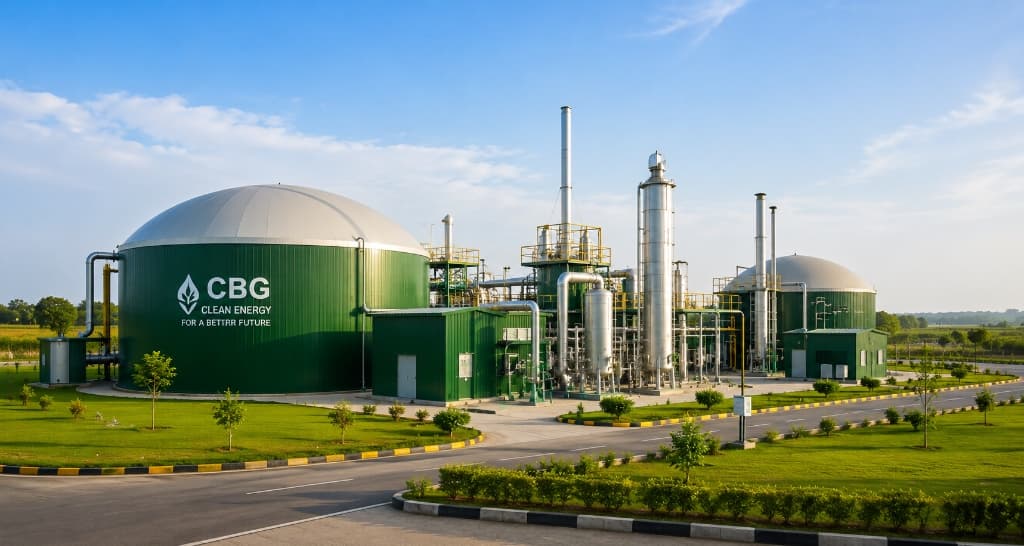
 Solid Bio-Energy Products
Sustainable Biomass Pellets
High-calorific solid biofuel pellets manufactured from compressed agricultural residues. An eco-friendly coal replacement for clean industrial combustion.
Sustainable Crop Residue Management
Innovative solutions for biomass pellet production and sustainable energy. We utilize agricultural crop residues to manufacture solid biofuels, minimizing field stubble burning and converting farm waste into direct industrial income.
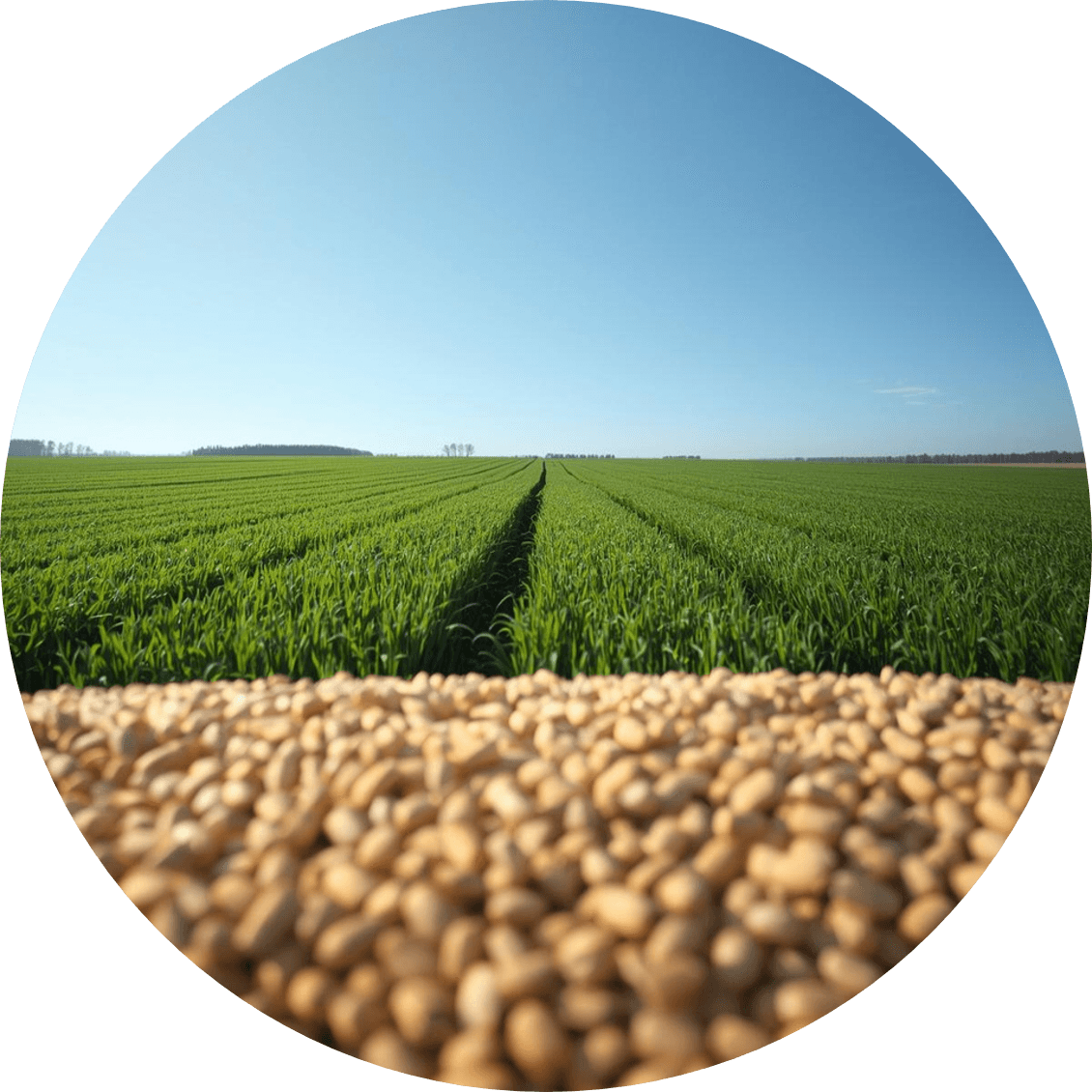
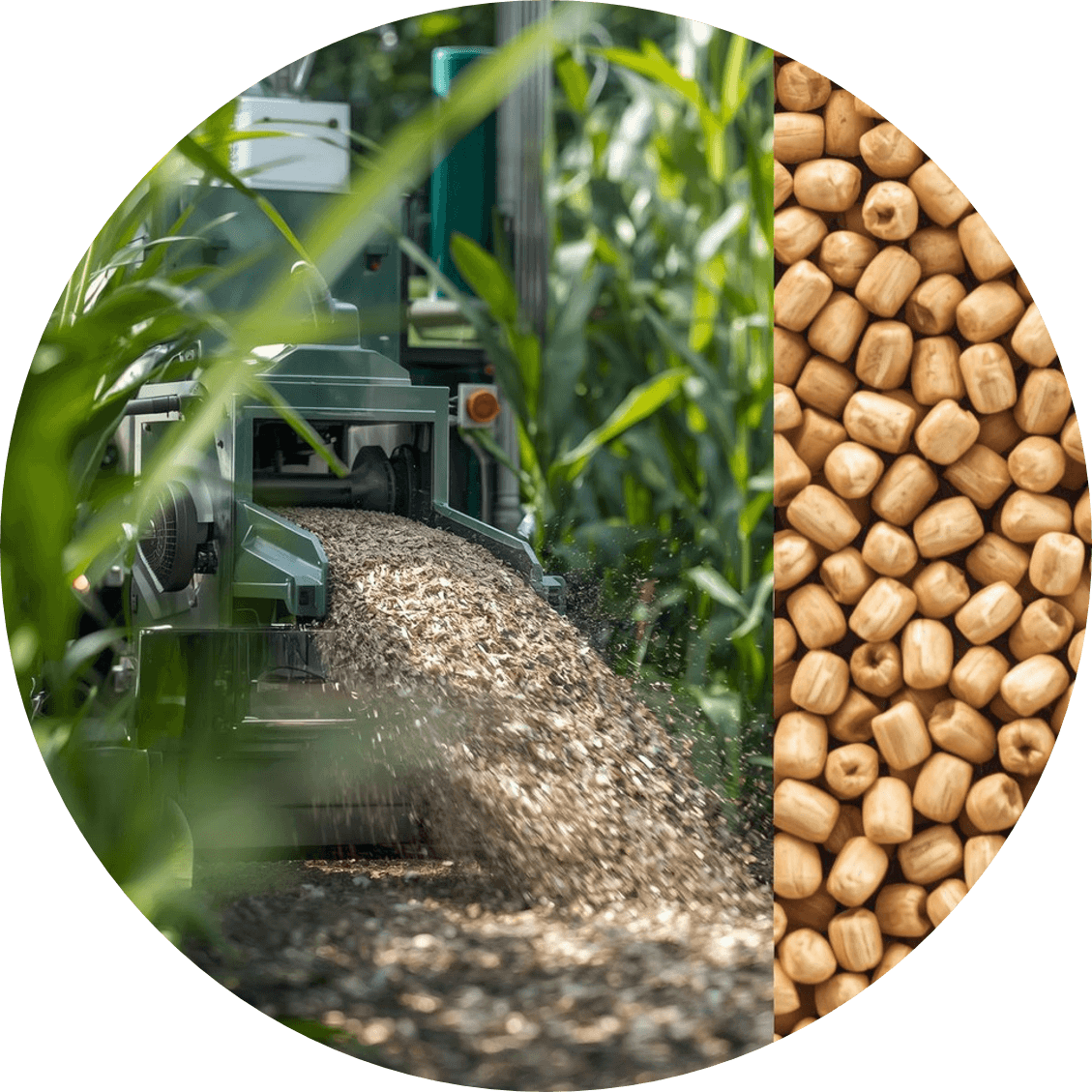
Biomass Pellets Overview
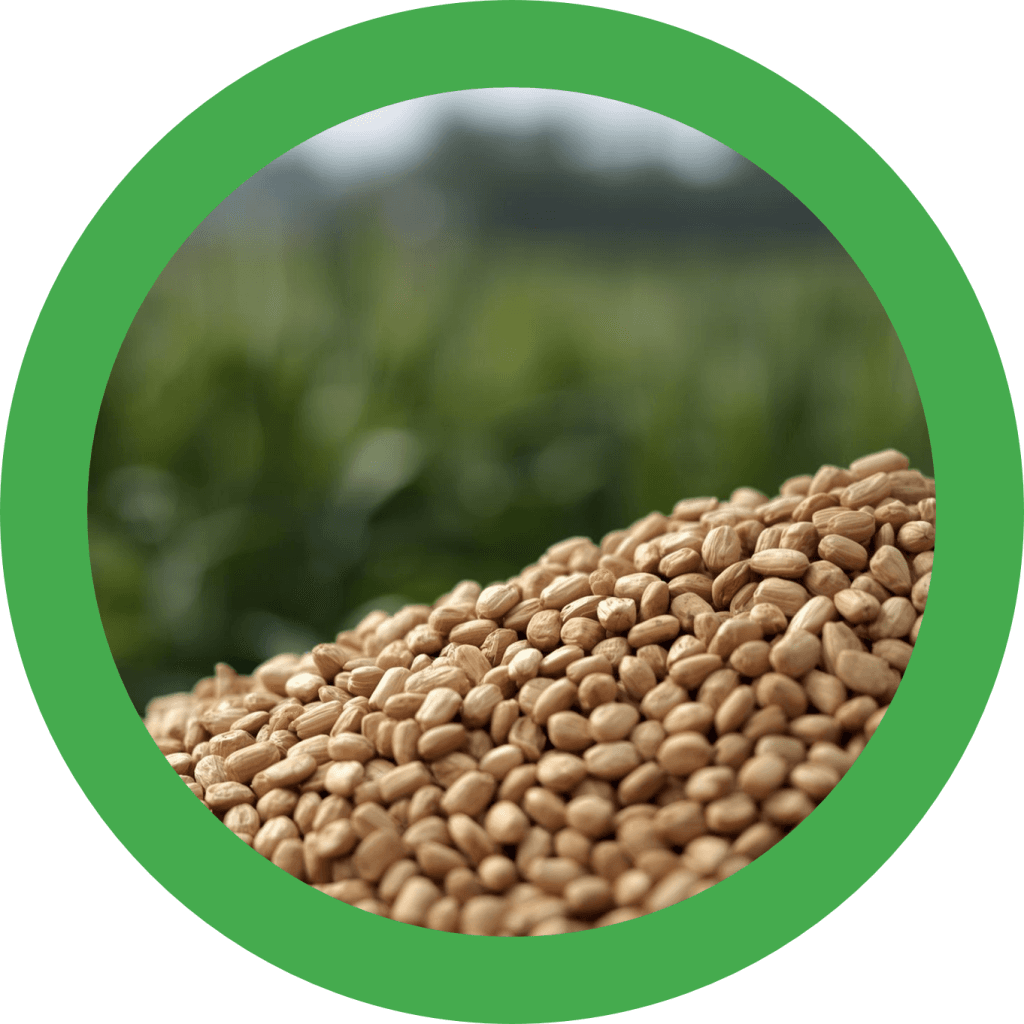
Biomass pellets are compact, renewable fuel sources created from compressed agricultural residues and organic materials. By compressing material under high pressure without chemical binders, these pellets deliver high-density, low-ash, and low-sulfur combustion profiles.
Biomass pellets are made from compressed organic material, providing a renewable energy source. Their specifications include diameter, density, and moisture content, which are crucial for efficient combustion. The production process ensures consistency and quality, making them suitable for various applications. Understanding these technical aspects helps optimize their use in energy generation and supports sustainable practices in agriculture and energy sectors.
Applications of Biomass Pellets
Biomass fuel pellets offer versatile heating and clean combustion options across large-scale energy sectors.

Industries
Efficient energy source for manufacturing processes. Used in textile, food processing, and chemical industrial boilers.

Households
Clean cooking fuel and residential heating source. Replaces raw firewood and high-cost LPG cylinders in local areas.
Power Plants
Blended alongside coal in traditional thermal power generation units to satisfy carbon emission guidelines and co-firing regulations.
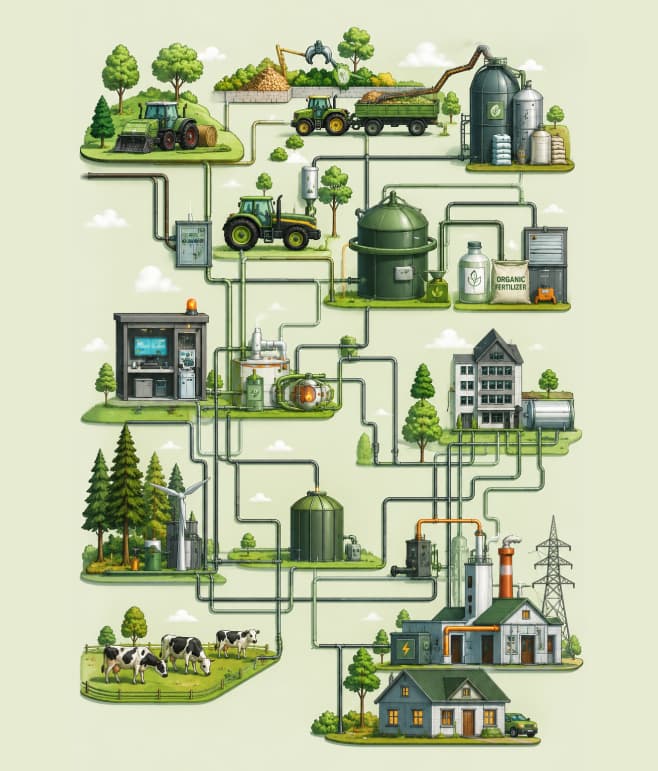
Other Applications
Used in brick kilns, tea processing units, biomass gasifiers, and various commercial central heating infrastructures.
Biomass Pellet Production System
Our integrated manufacturing layout from raw organic waste processing up to finished fuel screening.
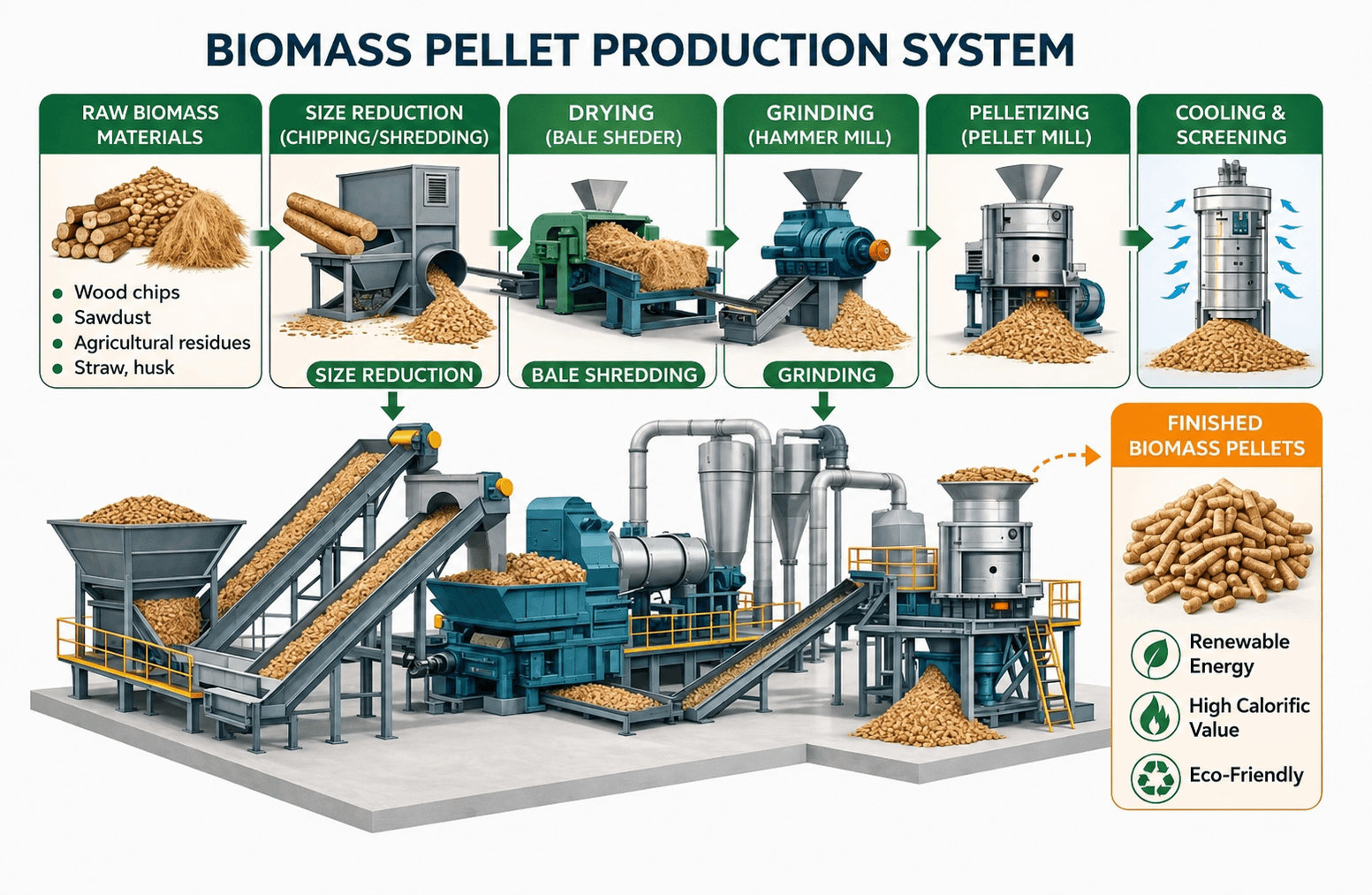
Raw Biomass Materials
Sourcing wood chips, sawdust, agricultural residues, straw, and husks.
Size Reduction (Chipping/Shredding)
Feedstock preprocessing to ensure uniform size compatibility.
Drying (Bale Shredder)
Moisture removal down to target parameters to facilitate pressing.
Grinding (Hammer Mill)
Milling down dry fibers to a highly fine powder texture.
Pelletizing (Pellet Mill)
Extruding loose powder under high mechanical pressure into cylinders.
Cooling & Screening
Cooling finished pellets and filtering fines to yield clean, dust-free fuel.
Technical Specifications & Chemical Analysis
Standardized parameters ensuring optimal combustion, high density, and minimal ash fouling.
Government Support & Co-Firing Policy
National co-firing mandates and attractive financial subsidy models make pellet setups highly lucrative.
Revised National Biomass Policy
The Revised Biomass Policy aims to enhance sustainable practices and promote biomass energy utilization in India, mandating coal-fired utility boilers to co-fire 5% to 10% biomass pellets.


Tax Benefits
Incentives for businesses investing in renewable energy.

Grants Available
Funding opportunities for biomass energy initiatives.

Subsidy Programs
Financial support for renewable energy projects.
Innovative Policies
New regulations promoting clean energy solutions.
Production Challenges
Logistical hurdles in sourcing raw materials persist.
Sourcing raw crop straws across scattered rural farms introduces logistical delays. Seasonal harvesting and transport fluctuations require optimized warehouse stockpile strategies.
Innovative Solutions
Advanced technologies enhance efficiency and reduce waste.
Using high-capacity pre-treatment shredders and optimized ring-die pelletizers ensures consistent output, minimal mechanical wear, and high caloric density.
Market Opportunity & Financial Feasibility
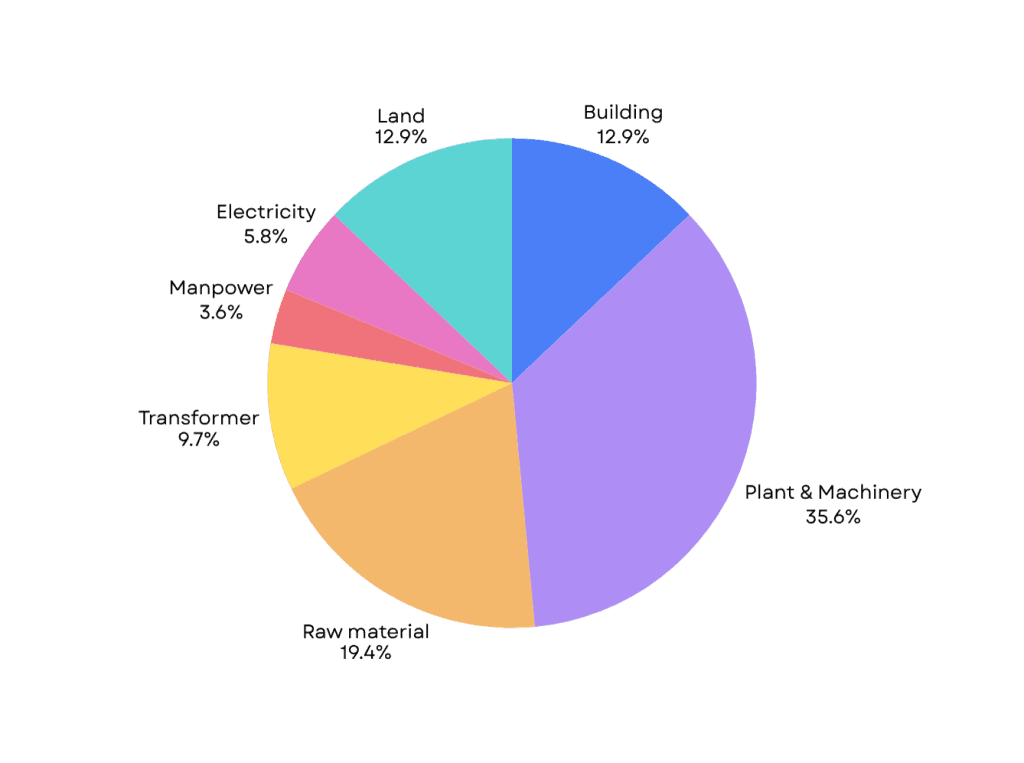
This chart provides a clear overview of the cost breakdown associated with biomass pellets, highlighting key profit margins and emphasizing the financial sustainability of renewable energy solutions. The rising demand for co-firing pellets expands our reach significantly.
This chart outlines the key financial aspects of our project, including initial investment, operational costs, and potential returns, providing a clear picture of profitability and sustainability.

Strengths
We offer innovative solutions tailored to market needs.
Market Opportunity
The rising demand for biomass expands our reach significantly.
Scalability
Our business model supports rapid growth across regions.
Commitment
We are dedicated to sustainable practices and customer satisfaction.

Why Choose Greliance
We provide premium machinery and EPC solutions to establish robust biomass processing operations, ensuring high calorific yields and low maintenance overheads.
Raw Materials for Biomass Pellets
A diverse range of processed agricultural residuals and waste outputs utilized to manufacture consistent fuel pellets.

Rice Straw
Abundant agricultural byproduct for biomass energy.

Wheat Straw
Versatile material for renewable energy production.
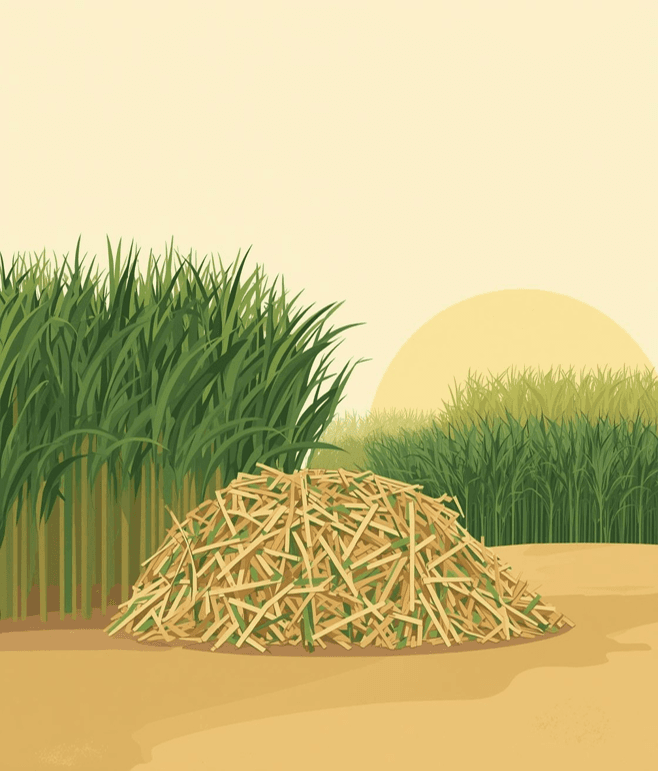
Sugarcane Trash
Ideal resource for efficient biomass conversion.

Corn Stover
Key ingredient for sustainable energy solutions.