
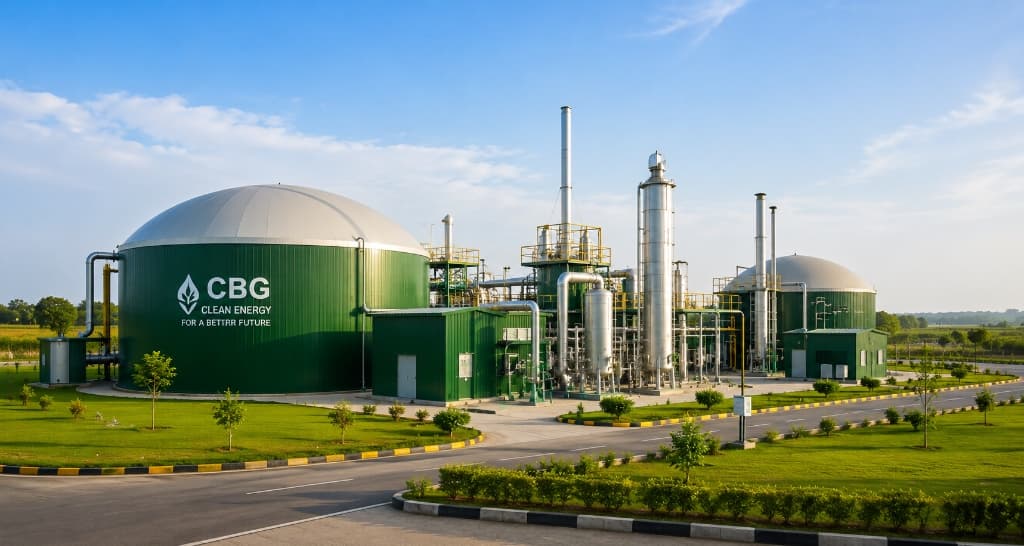
 Chemical Solvent Absorption
Amine Scrubbing Technology
Ultra-high purity biogas upgrading technology using chemical absorption to remove carbon dioxide and hydrogen sulfide.
Biogas Purification by Amine Scrubbing
Our advanced Amine Scrubbing CO₂ & H₂S Purification System is specially designed to remove Carbon Dioxide (CO₂) and Hydrogen Sulfide (H₂S) from raw biogas through a highly efficient chemical absorption process using an amine solvent solution.
The system selectively absorbs acidic gases such as CO₂ and H₂S, resulting in a purified methane-rich gas stream suitable for Bio-CNG production, power generation, industrial heating, and vehicle fuel applications.
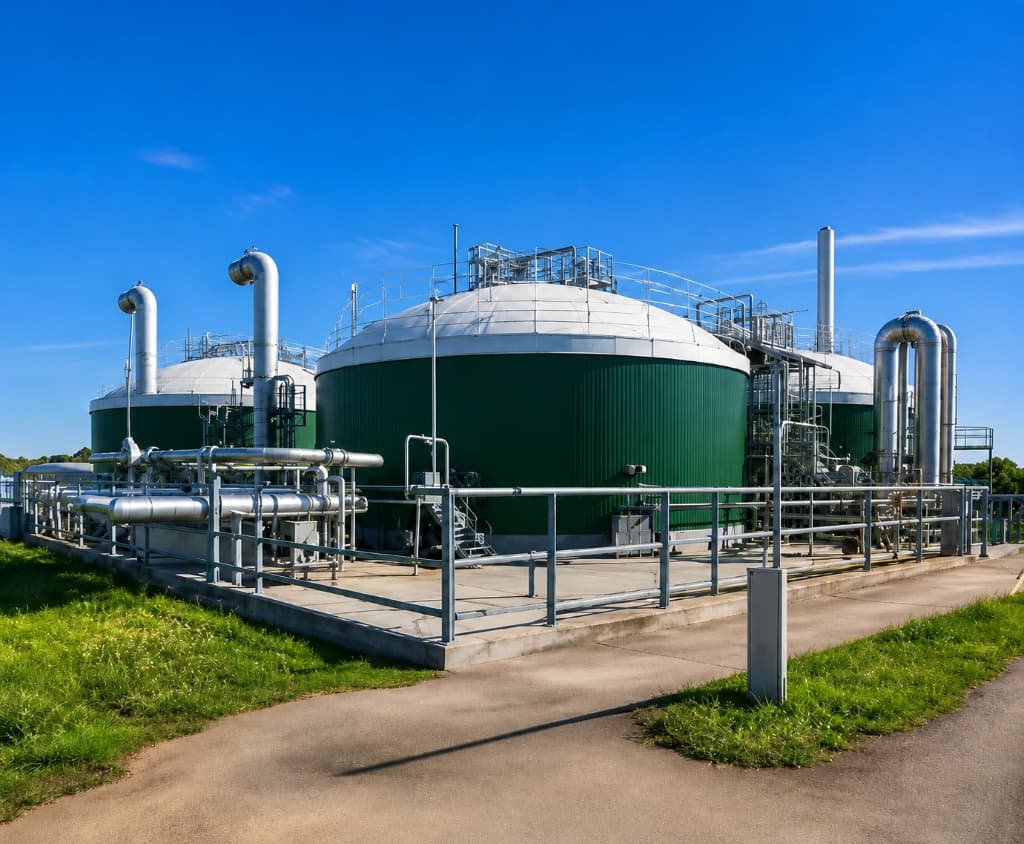
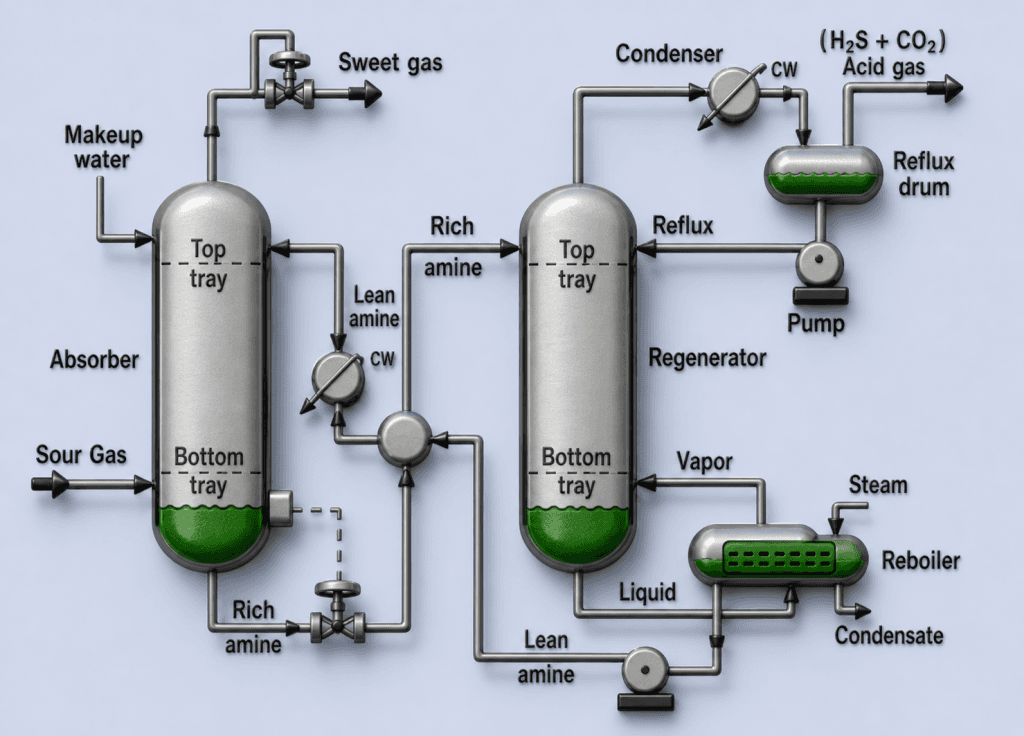
1. Gas Absorption & Separation
2. Solvent Stripping & Recycling
Key Features & Performance Parameters
Operational parameters and features of chemical amine scrubbing technology.
Simultaneous Stripping
Removes both CO₂ and H₂S in a single column pass.
High Methane Purity
Consistently yields >99.5% methane concentration.
Minimum Methane Slip
Methane loss is restricted to less than 0.1%.
60% Heat Recovery
Process heat is recycled to warm anaerobic digesters.
| Parameter | Typical Value |
|---|---|
| Methane Purity Output | > 99.5% |
| Methane Slip Loss | < 0.1% |
| CO₂ Removal Efficiency | Up to 99.8% |
| Inlet Gas Pressure | Near-ambient (~0.6 Bar) |
| Solvent Reagent | MEA / MDEA aqueous solutions |
| Heat Recovery Potential | Up to 60% of thermal inputs |
Advantages of Amine Scrubbing Upgradation
Features and operational benefits of selecting chemical amine absorption systems.
| Feature | Benefit |
|---|---|
| Ultra-High Methane Purity | Delivers grid-injection and automotive grade CNG exceeding 99.5% purity. |
| Minimum Methane Loss | Methane slip < 0.1% ensures maximum gas sales efficiency. |
| Simultaneous Acid Stripping | Eliminates need for separate CO₂ and H₂S scrubber towers. |
| Process Heat Recovery | Reduces thermal boiler demand, optimizing net operational expenses. |
| Solvent Regeneration | Amine chemical solvent is infinitely boiled and reused inside a closed loop. |
| Proven Industrial Scale | Highly reliable and stable performance for large-scale biogas setups. |
Where Amine Scrubbers are Deployed
Standard upgrade configurations across diverse commercial sectors.